
PP/FRP/PVC Industrial Plastic Sheet & Board — Corrosion-Resistant Semi-Finished Materials
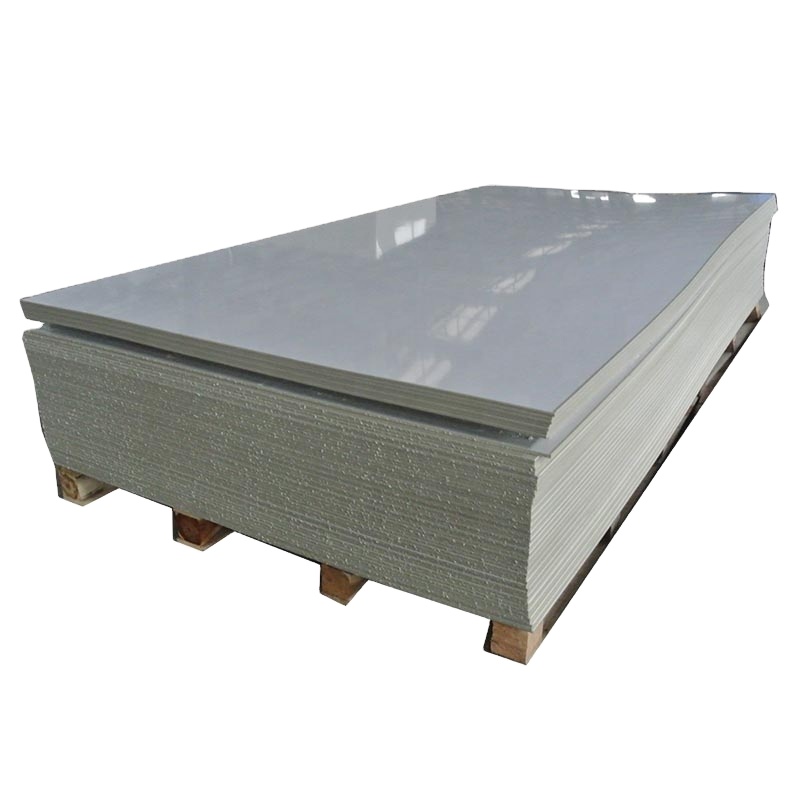
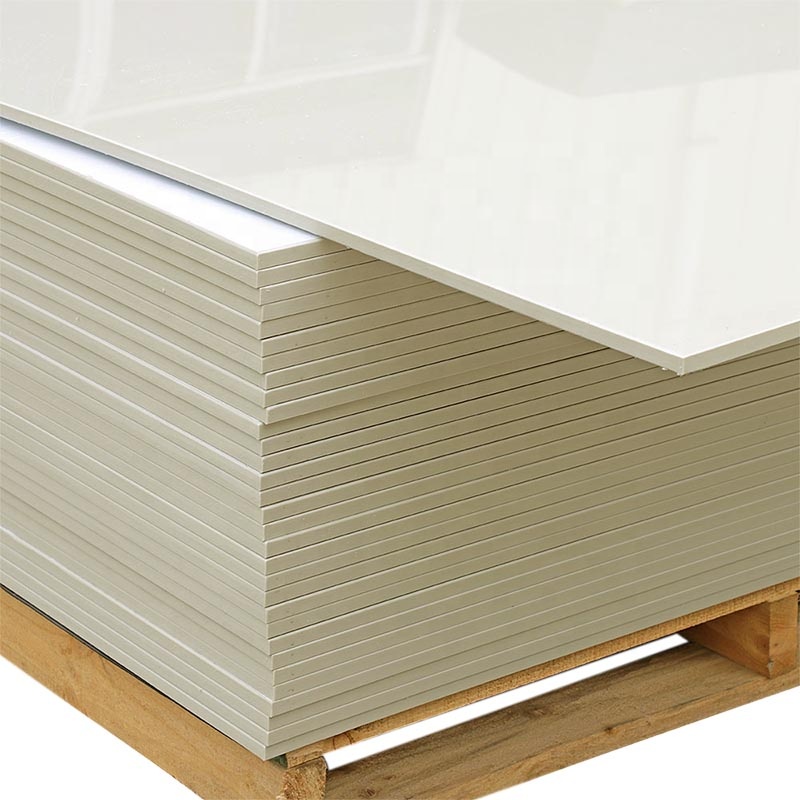
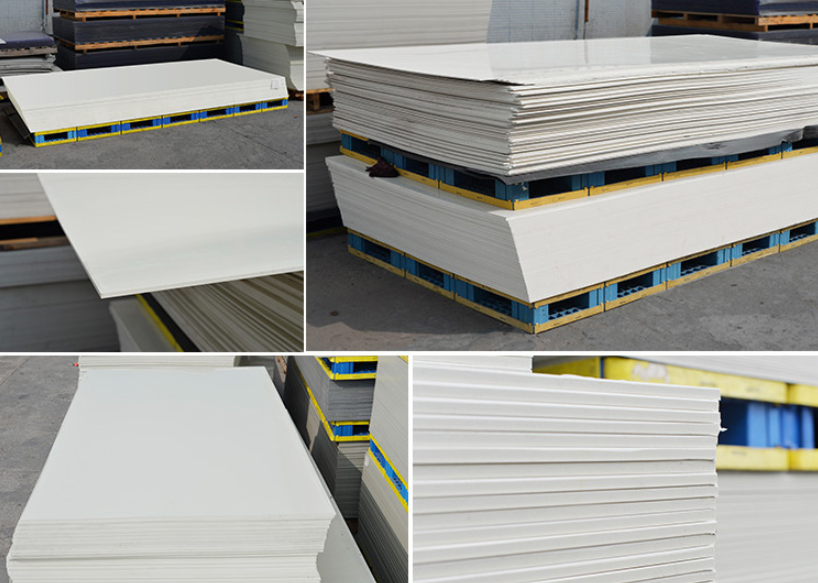
A PP plastic sheet — also called a polypropylene sheet, PP solid sheet board, or industrial plastic sheet — is a flat thermoplastic semi-finished material manufactured by extrusion or compression molding from PP (polypropylene), PPs (flame-retardant PP), PVC (polyvinyl chloride), or FRP (fiberglass reinforced plastic) for fabrication into chemical tanks, ductwork, fume hoods, pickling tanks, and corrosion-resistant equipment. Unlike metal sheet that corrodes and requires coating, a PP sheet provides inherent chemical resistance through the full thickness of the material — cut edges, drilled holes, and welded joints are as corrosion-resistant as the sheet surface. XICHENG EP supplies PP, PPs, PVC, and FRP sheets and plates in thicknesses from 2 mm to 50 mm, standard sheet sizes of 1,220 × 2,440 mm and 1,500 × 3,000 mm, with custom sizing and CNC cutting available.
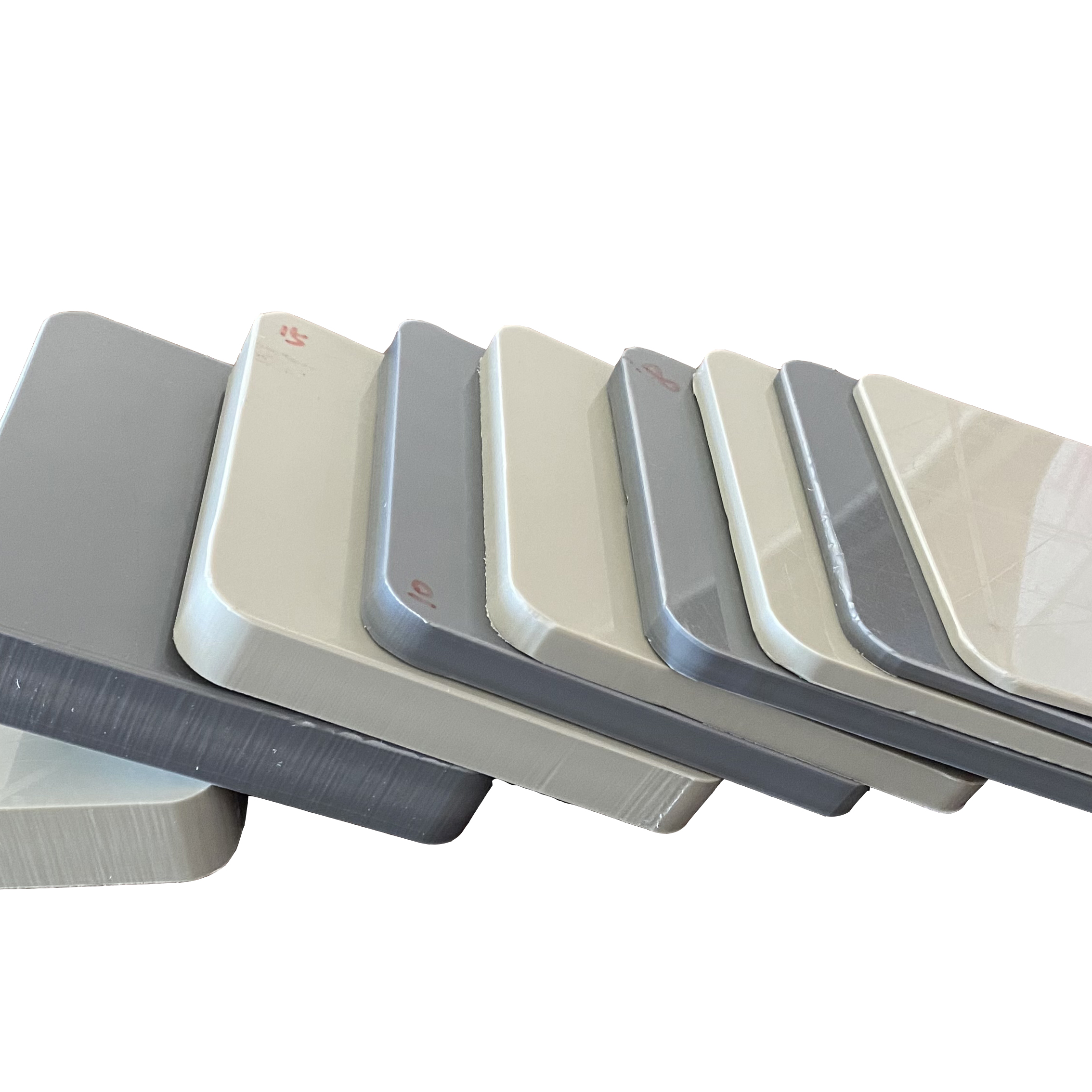
Industrial plastic sheets serve as the raw material for fabricating the entire corrosion-resistant equipment range: a 10 mm PP sheet is cut, bent, and hot-gas welded to form a pickling tank; a 6 mm PVC sheet is bonded to form a laboratory fume hood liner; a 3 mm FRP sheet is laminated over a mold to form a centrifugal fan housing. The sheet material choice determines the chemical resistance, temperature range, and mechanical strength of the finished equipment. XICHENG EP stocks standard sheet grades for immediate dispatch and can compound custom colors (grey, black, blue, green), UV-stabilized formulations, and flame-retardant grades (UL 94 V-0) with a 7-10 day lead time. All sheets are supplied with material certification per ISO 1183 (density), ISO 527 (tensile properties), and ISO 179 (impact strength).
Plastic Sheet & Board Range
PP Solid Sheet
A PP solid sheet — also called a polypropylene sheet or PP solid sheet board — is an extruded flat sheet of polypropylene copolymer (PP-C) or homopolymer (PPH) with a smooth, non-porous surface on both faces, used as the primary fabrication material for chemical tanks, ductwork, and corrosion-resistant equipment. The sheet is produced by feeding PP resin pellets through a screw extruder, passing the melt through a flat sheet die, and calendering between polished rollers to achieve a thickness tolerance of ±5% (standard) or ±3% (precision grade). PP sheet is available in natural (translucent white), grey (RAL 7032), and black (2% carbon black UV-stabilized) colors.
PP solid sheet offers the best cost-to-performance ratio of any corrosion-resistant sheet material: it resists hydrochloric acid (all concentrations at ≤70°C), sulfuric acid (≤80% at ≤70°C), sodium hydroxide (≤50% at ≤70°C), and most salt solutions. A 10 mm PP sheet has a tensile strength of 25-32 MPa, flexural modulus of 1,200-1,500 MPa, and density of 0.91 g/cm³ — approximately 60% lighter than PVC and 80% lighter than steel of equivalent thickness. Standard sheet size is 1,220 × 2,440 mm and 1,500 × 3,000 mm, with thicknesses from 2 mm to 50 mm. PP sheet is joined by hot-gas welding (DVS 2207-3), extrusion welding (DVS 2207-4), or butt-fusion welding using PP welding rod of matching grade.
| Parameter | Specification |
|---|---|
| Thickness Range | 2 mm — 50 mm |
| Standard Sheet Size | 1,220 × 2,440 mm / 1,500 × 3,000 mm |
| Density | 0.91 g/cm³ (PP-C) |
| Max Service Temperature | 70°C (PP-C) / 85°C (PPH) |
| Colors | Natural (white), grey (RAL 7032), black (UV-stabilized) |
PP Plate
A PP plate sheet — also called a polypropylene plate or PP plastic plate — is a thick-section PP sheet, typically 15 mm to 50 mm, used for structural applications requiring higher stiffness and load-bearing capacity than standard sheet gauges. The distinction between “sheet” and “plate” is primarily thickness: PP sheet covers 2-15 mm for general fabrication; PP plate covers 15-50 mm for structural base plates, tank floors, equipment mounting pads, and components subjected to bolt tension or compressive loading. PP plate is produced by the same extrusion process as sheet with extended cooling and annealing to relieve internal stresses that would cause warping during machining.
PP plate is machined using standard woodworking or metalworking tools — carbide-tipped saw blades, router bits, and drills — with the same machining parameters as aluminum (feed rates of 0.1-0.3 mm/tooth, spindle speeds of 3,000-6,000 RPM). The machined surface has a matte finish that bonds well with adhesives and accepts hot-gas welding without surface preparation beyond solvent wiping (isopropyl alcohol). PP plate at 20 mm thickness has a flexural modulus of 1,500 MPa — approximately equivalent to 2.5 mm of structural steel in bending stiffness — making it suitable for equipment support structures and tank base frames where metal would corrode. PP plate is also used as a sacrificial wear surface in chutes, hoppers, and abrasive slurry handling where the low coefficient of friction (0.25-0.30 against steel) reduces material hang-up.
| Parameter | Specification |
|---|---|
| Thickness Range | 15 mm — 50 mm |
| Standard Size | 1,220 × 2,440 mm / 1,500 × 3,000 mm |
| Tensile Strength | 25-32 MPa |
| Machinability | Carbide tools; similar parameters to aluminum |
| Applications | Structural base plates, tank floors, wear surfaces |
FRP Sheet/Board
An FRP sheet — also called an FRP board or fiberglass reinforced panel — is a flat composite laminate made from glass fiber reinforcement (E-glass mat, woven roving, or continuous strand) impregnated with a thermoset resin matrix (polyester, vinyl ester, or novolac vinyl ester). The sheet is produced by hand lay-up or continuous lamination, cured under controlled temperature and humidity, and post-cured to ensure full chemical crosslinking of the resin. FRP sheet is specified for applications requiring higher strength (tensile 80-120 MPa), higher temperature resistance (up to 95°C for vinyl ester, 120°C for novolac VE), or fire-retardant properties (ASTM E84 Class 1 with brominated resin) beyond the capabilities of unreinforced thermoplastics.
FRP sheet is the base material for fabricating highly stressed corrosion-resistant components: fan housings, pump casings, scrubber shells, tank walls, and structural platforms in chemical plants. The laminate construction includes a resin-rich corrosion barrier (2.5-3.0 mm, 90% resin, surfacing veil) on the process-contact face and a structural layer (balance of thickness, 35-45% glass) for mechanical strength. FRP sheet is cut with diamond-grit or carbide-grit blades (not standard toothed blades which fray the glass fibers) and joined by laminating — applying additional layers of resin and glass mat over the joint to create a seamless chemical bond. Standard sheet sizes are 1,220 × 2,440 mm and 1,000 × 2,000 mm with thicknesses from 2 mm to 30 mm. FRP sheet is 30-40% more expensive than PP sheet of equivalent thickness but provides 3-4× the strength and 20-30°C higher temperature capability.
| Parameter | Specification |
|---|---|
| Thickness Range | 2 mm — 30 mm |
| Tensile Strength | 80-120 MPa (glass-reinforced) |
| Max Temperature | 95°C (VE) / 120°C (novolac VE) |
| Resin Options | Polyester, vinyl ester, novolac VE, brominated FR |
| Cutting Method | Diamond or carbide-grit blades |
PPs Flame-Retardant Sheet
A PPs sheet — also called a flame retardant PP sheet or PPs flame retardant board — is a polypropylene sheet compounded with halogen-free intumescent flame retardant additives to achieve UL 94 V-0 classification (self-extinguishing within 10 seconds on a vertical specimen, no flaming drips). Standard PP sheet is classified UL 94 HB (horizontal burn); PPs sheet achieves V-0 by incorporating 15-25% ammonium polyphosphate or magnesium hydroxide into the PP matrix, which releases water vapor and forms a protective char layer when exposed to flame, starving the combustion zone of oxygen and fuel. The flame retardant additives do not contain bromine, chlorine, or antimony trioxide, making PPs sheet compliant with EU RoHS and WEEE directives for electronic and electrical equipment applications.
PPs sheet retains approximately 85-90% of the mechanical properties of standard PP sheet — the flame retardant filler reduces tensile strength by 10-15% (to 22-28 MPa) and impact strength by 15-20% — and full chemical resistance to acids, alkalis, and solvents equivalent to standard PP. The sheet is identified by its dark grey or black color (natural PPs color from the flame retardant compound) and is available in thicknesses from 3 mm to 25 mm. PPs sheet is specified for semiconductor wet bench enclosures, battery formation room ventilation ductwork, chemical storage cabinet construction, and any application where fire propagation along surfaces must be prevented per NFPA, FM Global, or local fire codes. The sheet is welded using PPs-compatible welding rod — standard PP welding rod will not achieve the same flame rating as the base sheet.
| Parameter | Specification |
|---|---|
| Flame Rating | UL 94 V-0 (self-extinguishing, no flaming drips) |
| Thickness Range | 3 mm — 25 mm |
| Tensile Strength | 22-28 MPa (10-15% below standard PP) |
| Max Temperature | 85°C continuous |
| Color | Dark grey / black (natural PPs) |
PVC Sheet
A PVC plastic sheet — also called a PVC rigid sheet or PVC sheet board — is an extruded flat sheet of unplasticized polyvinyl chloride (PVC-U), distinguished from PP sheet by its higher rigidity (flexural modulus 2,500-3,000 MPa vs. 1,200-1,500 MPa for PP), higher density (1.40-1.45 g/cm³ vs. 0.91 for PP), and excellent chemical resistance to oxidizing acids, alkalis, and salt solutions at temperatures up to 60°C. PVC sheet is naturally flame-retardant (UL 94 V-0 without additives) due to the chlorine content (approximately 57% Cl by weight) which releases HCl gas when heated, quenching the combustion reaction. This inherent fire resistance makes PVC the standard material for laboratory furniture, fume hood liners, and cleanroom wall panels in facilities where fire code compliance is mandatory.
PVC sheet is joined by solvent cement bonding (THF-based solvent cement dissolves the PVC surface, creating a molecular weld without heat) or hot-gas welding using PVC welding rod at 220-260°C. Solvent cement joints achieve 80-90% of the base sheet tensile strength within 24 hours of curing, and the process requires no specialized welding equipment — only a brush applicator and adequate ventilation for solvent vapors. PVC sheet is available in grey (RAL 7011, standard industrial grade), white, and clear (transparent PVC for sight glasses and enclosure windows) in thicknesses from 1 mm to 30 mm. PVC is NOT suitable for contact with aromatic solvents (toluene, xylene), ketones (acetone, MEK), or esters, which dissolve or craze the PVC surface.
| Parameter | Specification |
|---|---|
| Thickness Range | 1 mm — 30 mm |
| Density | 1.40-1.45 g/cm³ |
| Flexural Modulus | 2,500-3,000 MPa |
| Max Temperature | 60°C continuous |
| Joining | Solvent cement (THF-based) or hot-gas welding |
PP/PVC Welding Rod
A PP welding rod — also called a PVC welding rod or plastic welding rod — is a round, triangular, or twin-strand extruded filler material made from the same thermoplastic grade as the base sheet (PP, PPs, PVC, PVDF, or PE), used as the filler metal equivalent in hot-gas and extrusion welding of plastic fabrications. The welding rod is fed into the joint by hand (manual hot-gas welding per DVS 2207-3) or automatically by an extrusion welder (per DVS 2207-4), where it is melted by a stream of heated air (260-350°C for PP, 220-260°C for PVC) and fused with the softened base sheet surface to create a homogeneous weld bead. The rod diameter is selected to match the sheet thickness and joint geometry: 3-4 mm round rod for sheet ≤8 mm, 5-6 mm for sheet 8-20 mm, and 4-5 mm triangular rod for multi-pass V-groove welds in thick sections.
Welding rod must match the base sheet material grade exactly — PP rod for PP sheet, PPs rod for PPs sheet, PVC rod for PVC sheet — because the weld strength depends on molecular interdiffusion between the molten rod and the molten sheet surface. A mismatched rod (e.g., PP rod on PVC sheet) will not fuse and the weld will peel apart under load. XICHENG EP supplies PP, PPs, and PVC welding rods in coils of 5 kg or spools of 1 kg, in 3 mm, 4 mm, and 5 mm diameters, round and triangular profiles, with each batch traceable to the resin lot and documented by a material certificate. Welding rod should be stored in sealed polyethylene bags in a dry, dust-free environment — PVC rod absorbs atmospheric moisture which creates porosity (bubbles) in the weld bead, and PP rod surface oxidation from prolonged storage degrades weld strength.
| Parameter | Specification |
|---|---|
| Materials | PP, PPs, PVC (matching sheet grade) |
| Diameter | 3 mm / 4 mm / 5 mm |
| Profile | Round, triangular, twin-strand |
| Packaging | 5 kg coil / 1 kg spool |
| Storage | Sealed PE bag; dry, dust-free; PVC: protect from moisture |
Plastic Sheet Material Selection
| Condition | Recommended Material |
|---|---|
| General acid/alkali fabrication, ≤70°C | PP solid sheet (PP-C) |
| Structural bases, wear surfaces, heavy load | PP plate (15-50 mm) |
| Elevated temperature 70-95°C, high strength | FRP vinyl ester |
| Fire-rated lab furniture, cleanroom panels | PPs V-0 or PVC (inherently V-0) |
| Lab fume hood liners, transparent windows | PVC sheet (rigid, chemical-resistant) |
Frequently Asked Questions
What is the difference between PP sheet and PVC sheet?
PP sheet is lighter (0.91 vs. 1.42 g/cm³), more flexible (flexural modulus 1,200 vs. 2,800 MPa), and has a higher continuous service temperature (70°C vs. 60°C). PVC sheet is stiffer, inherently flame-retardant (UL 94 V-0 without additives), and can be joined by solvent cementing — no hot-gas welding equipment required. PP is preferred for chemical tank fabrication and ductwork where its weldability and broad chemical resistance are the primary requirements. PVC is preferred for laboratory furniture, fume hood liners, and cleanroom panels where fire rating and solvent-cement joinery simplify assembly. PVC cannot be used with aromatic solvents or ketones; PP cannot be used with concentrated nitric acid or strong oxidizing agents.
What welding rod do I need for PP sheet?
Use PP welding rod of the same material grade as the sheet — PP-C rod for PP-C sheet, PPs rod for PPs sheet. The rod diameter should be 3-4 mm for sheet thicknesses up to 8 mm and 5-6 mm for 8-20 mm sheet. Triangular profile rod is preferred for multi-pass V-groove welds because the pointed tip seats into the root of the V and allows better penetration. Always store welding rod in sealed polyethylene bags — surface oxidation and dust contamination are the leading causes of weak, porous welds in PP fabrication.
Can PP and PVC be welded together?
No — PP and PVC are chemically incompatible thermoplastics and cannot be fusion-welded to each other. The two materials are from different polymer families (polyolefin vs. vinyl) and do not intermix at the molecular level when melted. For equipment requiring both materials, mechanical fastening with PP or PVC bolts through flanged joints or gasketed connections is the standard joining method, or a flexible EPDM connector can bridge between PP and PVC duct sections.
Get a Plastic Sheet Quote
XICHENG EP stocks PP, PPs, PVC, and FRP sheets and plates in standard sizes from 2 mm to 50 mm thickness, with PP and PVC welding rods in matching grades. Every shipment includes a material certificate (ISO 1183, ISO 527, ISO 179) and a lot traceability document. Contact our sales team with your material, thickness, sheet size, and quantity requirements for a stock availability check and quotation within 24 hours. Custom sheet sizing and CNC routing services are available.
About XICHENG EP
XICHENG EP LTD is an industrial air pollution control equipment manufacturer with 16+ years of production experience, 2,600+ systems shipped, and installations in 60+ countries. We manufacture in China, with in‑house PP sheet extrusion, CNC cutting, hot‑gas welding, and FRP filament winding — every scrubber component from raw material to finished vessel is fabricated under one roof. No outsourced fabrication, no subcontractor delays.
Core Advantages
- In‑house manufacturing: PP fabrication, FRP winding, and electrical assembly in one facility. Material traceability from resin batch to finished system
- Pre‑assembly testing: Every scrubber is dry‑assembled and water‑tested in our shop before crating. What arrives on site fits
- Documentation package: P&ID, GA drawing, O&M manual, material certs, and performance test procedure — ready for permit submittal
- Material selection guidance: We recommend PP, FRP, or dual‑laminate based on your gas chemistry, temperature, and budget — not our inventory
- After‑sales support: Remote commissioning via video call, 10‑year spare parts availability, 1‑year warranty on workmanship and materials
Certifications and Compliance
- CE Marking — Machinery Directive 2006/42/EC, EMC Directive 2014/30/EU
- RoHS — 2011/65/EU compliant materials throughout
- ISO 9001:2015 — Quality management system
- ISO 14001:2015 — Environmental management system
- SGS material testing — PP sheet, FRP laminate, weld integrity verified
- Design basis per EU 2010/75/EU Industrial Emissions Directive
- Engineered to meet US EPA NESHAP and OSHA 1910.94
How to Order
- Send your operating data: Gas flow rate (CFM or m³/hr), contaminant type and inlet concentration (ppm), required outlet limit per your permit, gas temperature, and available site footprint. Contact our engineering team
- Receive your proposal: Within 48 hours — preliminary sizing, process flow diagram, budget price, and delivery timeline. No obligation
- Review and approve: Once the proposal meets your requirements, we issue a formal quotation with detailed technical specifications
- Drawing approval: P&ID, general arrangement, and electrical schematic for your sign‑off before fabrication begins
- Manufacturing and testing: 6‑10 weeks fabrication. Pre‑shipment water‑tightness test, recirculation test, and control system checkout
- Shipping and commissioning: Containerized sea freight or air freight worldwide. Remote commissioning support via video call included; optional on‑site supervision available
Global Shipping
We ship wet scrubber systems worldwide from our manufacturing facility in China. Regular containerized sea freight to ports in North America (Los Angeles, Houston, New York), Europe (Rotterdam, Hamburg, Antwerp), the Middle East (Jebel Ali, Dammam), Southeast Asia (Singapore, Port Klang), and Australia (Sydney, Melbourne). Air freight available for urgent deliveries and smaller systems. All equipment is crated, shrink‑wrapped, and container‑loaded with desiccant for ocean transit.
Reviews
There are no reviews yet.