
Polypropylene PP Ductwork — Industrial Corrosion-Resistant Ventilation Systems
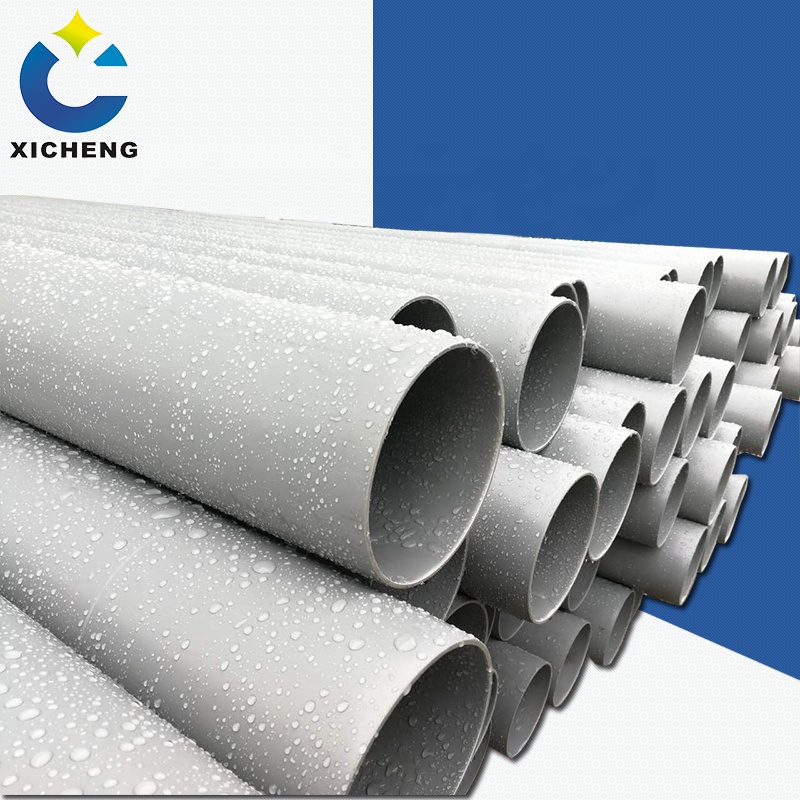
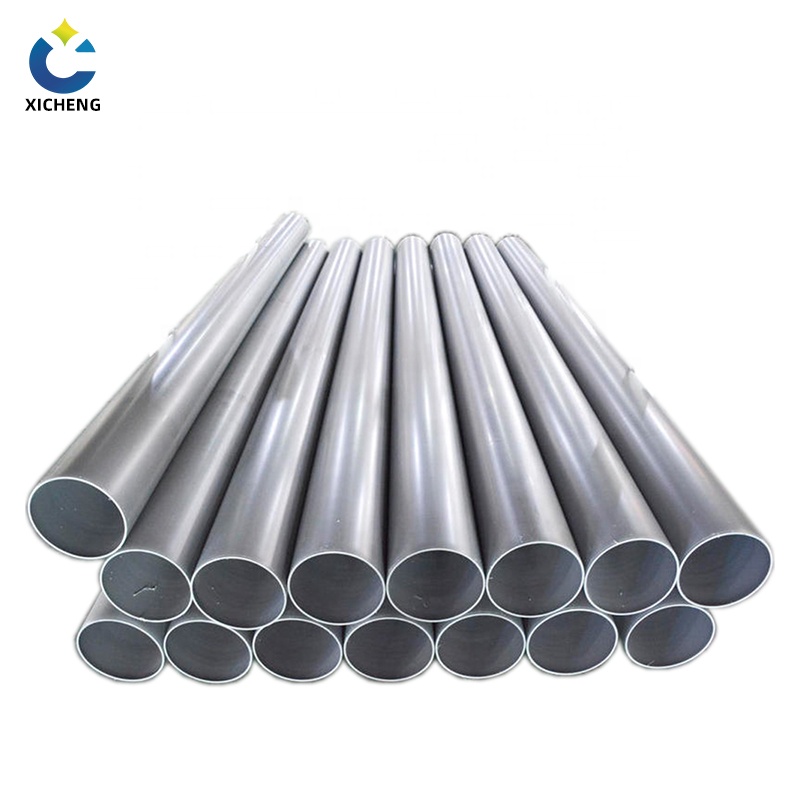
PP ductwork — also called polypropylene air duct or PP ventilation duct — is a corrosion-resistant thermoplastic piping system designed to transport corrosive exhaust gases, chemical fumes, and VOC-laden air in industrial and laboratory environments. Unlike galvanized steel or stainless steel ductwork that corrodes within months when exposed to acids, a PP duct system resists pH values from 1 to 14 across a temperature range of -5°C to 95°C, providing decades of maintenance-free service. XICHENG EP manufactures the full PP ductwork system — round duct, rectangular duct, flame-retardant PPs duct, injection-molded duct, fittings, dampers, and support accessories — all from virgin polypropylene copolymer (PP-C) or flame-retardant PPs sheet stock with hot-air and extrusion welding per DVS 2207 standards.
The core advantage of polypropylene ductwork is material compatibility at a fraction of the cost of alloy metals. PP sheet ductwork costs approximately 60-70% less than 316L stainless steel duct of equivalent diameter, weighs 80% less, and requires no protective coating or cathodic protection. For chemical laboratories, electroplating shops, semiconductor fabs, pharmaceutical plants, and municipal wastewater treatment facilities — anywhere acids, alkalis, solvents, or oxidizing agents are present in the exhaust air — PP duct is the standard specification. The smooth inner wall of 0.005 mm roughness delivers a friction factor of 0.002-0.003, reducing fan energy consumption by 15-20% compared to aged, corroded metal ductwork.
XICHENG EP produces PP ductwork in diameters from Φ63 mm to Φ3,000 mm using three manufacturing methods selected by size and application: injection molding for small-bore duct up to Φ500 mm providing uniform wall thickness and dimensional precision; sheet rolling and hot-air butt welding for medium and large diameters from Φ200 mm to Φ3,000 mm; and PPs flame-retardant compounding with V0-rated (UL 94) self-extinguishing properties for applications requiring fire resistance. Every duct section is factory-tested at 2× design static pressure before shipment.
PP Ductwork Product Range
PP Round Duct
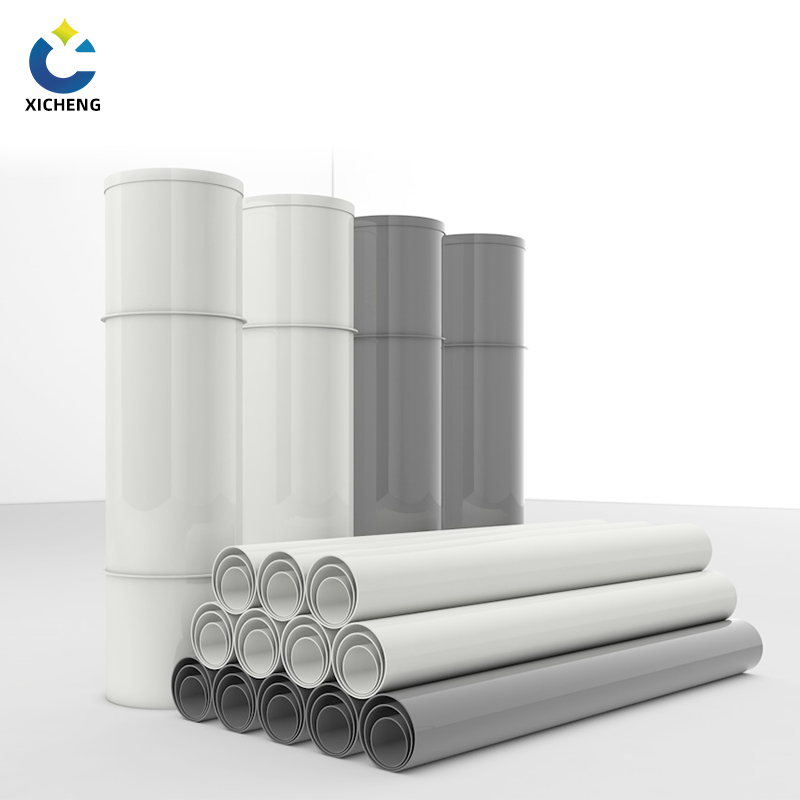
PP round duct — also called polypropylene round duct or round ducting PP — is the standard geometry for industrial corrosion-resistant ventilation, manufactured by rolling PP sheet into a cylindrical form and butt-welding the longitudinal seam using hot-air or extrusion welding. Round ducting PP is preferred for exhaust gas transport because it delivers the lowest pressure drop per unit cross-sectional area, resists collapse under negative pressure without stiffeners, and self-drains condensate to the low point. XICHENG EP produces PP round duct from Φ200 mm to Φ3,000 mm internal diameter in standard lengths of 1.0 m, 1.5 m, 2.0 m, and 3.0 m, with wall thickness from 3 mm to 25 mm depending on diameter and design static pressure.
Round PP duct achieves 15-25% lower friction loss than rectangular duct of equivalent cross-sectional area, translating directly to smaller fan motors and lower operating cost over the 20-30 year service life of the system. For outdoor installations, UV-stabilized PP sheet with 2% carbon black loading prevents embrittlement from sunlight exposure. The duct sections connect via integral PP flanges with EPDM or FPM gaskets — no metal fasteners in the air stream — ensuring the corrosion-resistant envelope is continuous from hood to stack.
| Parameter | Specification |
|---|---|
| Diameter Range | Φ200 mm — Φ3,000 mm |
| Standard Length | 1.0 / 1.5 / 2.0 / 3.0 m (custom available) |
| Wall Thickness | 3 mm — 25 mm (service-dependent) |
| Material | PP-C (polypropylene copolymer), UV-stabilized or natural |
| Welding Standard | DVS 2207-3 (hot-air) / DVS 2207-4 (extrusion) |
PPs Flame-Retardant Duct
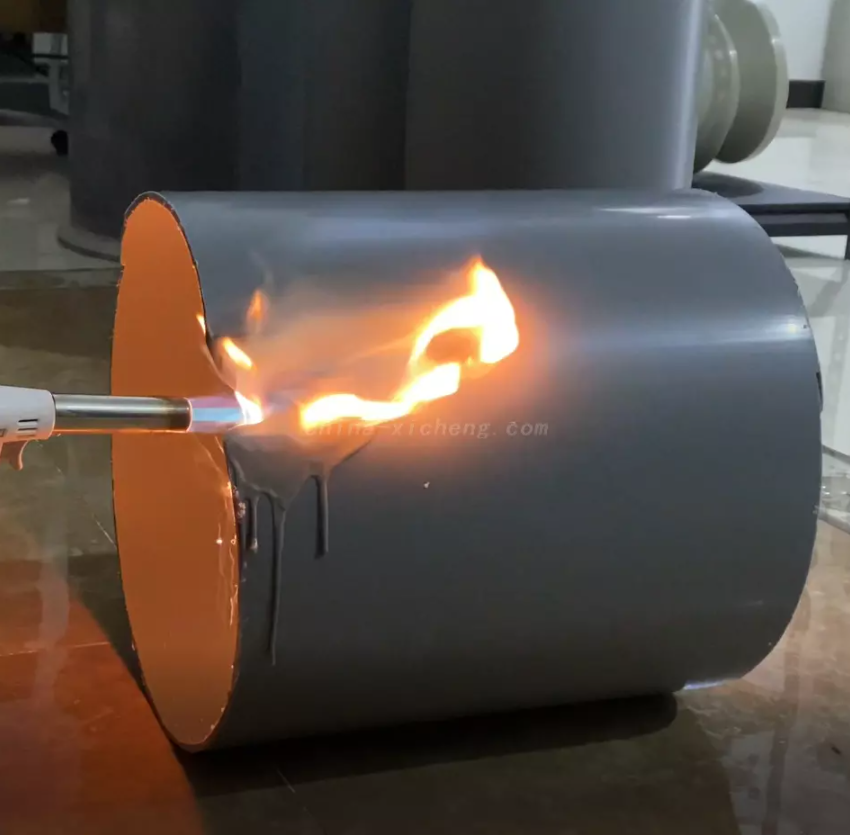
PPs flame retardant duct — also called PPs ducting or flame retardant polypropylene duct — is an enhanced-grade PP ventilation duct manufactured from polypropylene sheet compounded with halogen-free flame retardant additives to achieve self-extinguishing performance. Standard PP duct carries a UL 94 HB (horizontal burn) classification; PPs duct achieves UL 94 V-0 — meaning the material stops burning within 10 seconds on a vertical specimen with no flaming drips. This rating makes PPs duct suitable for applications where fire propagation along the ventilation path is a safety concern: semiconductor cleanrooms, battery manufacturing exhaust, chemical storage ventilation, and any installation subject to NFPA or local fire code requirements for non-combustible ductwork.
PPs duct operates at continuous service temperatures up to 95°C — approximately 25°C higher than standard PP duct’s practical continuous limit — providing an additional thermal safety margin in processes where exothermic reactions or heated exhaust streams are present. PPs duct is manufactured in diameters from Φ63 mm (injection-molded) to Φ2,000 mm (sheet-rolled and welded), and is identifiable by its dark grey or black color from the flame-retardant compound. The material retains full chemical resistance to acids, alkalis, and solvents equivalent to standard PP, and is joined using the same hot-air and extrusion welding techniques with PPs-compatible welding rod.
| Parameter | Specification |
|---|---|
| Flame Rating | UL 94 V-0 (self-extinguishing, no flaming drips) |
| Temperature Range | -5°C to +95°C continuous |
| Diameter Range | Φ63 mm — Φ2,000 mm |
| Material | PPs (halogen-free flame-retardant PP copolymer) |
| Identification | Dark grey / black (standard PPs color) |
PP Injection-Molded Duct
PP injection-molded duct — also called PP injection molded air duct or injection-molded PP duct — is a small-to-medium-bore ventilation pipe manufactured by injecting molten polypropylene copolymer into a precision steel mold under high pressure, producing a finished duct section in a single cycle with uniform wall thickness and smooth internal and external surfaces. Unlike sheet-rolled duct which has a longitudinal weld seam, injection-molded duct is seamless and dimensionally consistent section to section, making it the preferred choice for laboratory fume hood exhaust, cleanroom ventilation, and semiconductor tool exhaust where leak integrity and aesthetic finish matter.
Injection molding produces duct in diameters from Φ63 mm to Φ500 mm in standard 1.0 m and 2.0 m lengths, with integral socket ends for push-fit assembly that reduces installation labor by approximately 40% compared to flange-and-gasket connections. The process adds flame retardant and carbon black colorant directly into the melt stream for PPs V-0 and UV-stabilized variants. XICHENG EP operates in-house injection molding machines ranging from 500 to 3,000 tonnes clamping force, enabling production of duct sections and matching injection-molded fittings — elbows, tees, reducers, and couplings — from the same material batch for guaranteed dimensional compatibility.
| Parameter | Specification |
|---|---|
| Diameter Range | Φ63 mm — Φ500 mm |
| Standard Length | 1.0 m / 2.0 m |
| Connection Type | Integral socket (push-fit) or flanged |
| Material Options | PP-C (natural/white), PPs V-0 (grey), UV-stabilized (black) |
| Wall Thickness | 2 mm — 8 mm (per DIN 8062) |
PP Duct Fittings
Duct fittings PP — including elbows, tees, reducers, flanges, and couplings — are the connection components that make up a complete polypropylene plastic duct fittings network. A PP duct system is only as leak-tight as its joints, and injection-molded or fabricated PP fittings ensure material continuity at every change of direction, branch, and diameter transition. XICHENG EP supplies the full range of duct fittings PP in diameters matching the duct sections: injection-molded fittings for Φ63-500 mm and fabricated (welded from PP sheet) fittings for Φ200-3,000 mm.
PP elbows are available in standard angles of 30°, 45°, 60°, 75°, and 90° with a centerline radius of 1.0×, 1.5×, or 2.0× the duct diameter. PP tees are offered as equal (straight-through) or reducing (branch smaller than main) configurations; a 45° lateral tee is preferred over a 90° branch for lower pressure drop. PP reducers — concentric or eccentric — transition between duct diameters with a taper angle of 15-20° per side. PP flanges are fabricated as loose-ring (backup ring) or fixed-flange types with bolt patterns drilled to ANSI B16.5 150 lb or DIN PN10. PP couplings are short socket pieces for joining straight duct sections without flanges, typically used on small-bore injection-molded systems.
| Fitting Type | Available Configurations |
|---|---|
| Elbows | 30° / 45° / 60° / 75° / 90°; R=1.0D / 1.5D / 2.0D |
| Tees & Laterals | Equal tee, reducing tee, 45° lateral |
| Reducers | Concentric, eccentric; taper 15-20° per side |
| Flanges | Loose-ring (PP+steel backing), fixed; ANSI/DIN/JIS |
| Couplings | Socket type, butt-weld type; Φ63-500 mm |
PP Duct Dampers & Valves
A PP duct damper — also called a plastic ventilation duct damper or PP motorized duct damper — is a flow regulation device installed within a polypropylene ventilation system to balance airflow, isolate branches, and prevent reverse flow in corrosive exhaust ductwork. Every multi-branch exhaust system requires dampers at each take-off point to balance the system to design airflow, and PP construction ensures the damper mechanism remains operable in corrosive service where metal damper blades and shafts would seize within months.
PP butterfly dampers use a circular PP disc rotating on a PP-coated or SS316 shaft within the duct cross-section, operated manually by a locking quadrant handle or automatically by an electric or pneumatic actuator. PP blast gates (guillotine dampers) provide positive shutoff for branch isolation with a sliding PP blade that retracts fully from the air stream when open. PP backdraft dampers use a gravity-closing PP flap or spring-assisted design to prevent reverse flow when a fan cycles off in a multi-fan common-header system. All damper types are available in diameters from Φ100 mm to Φ2,000 mm with flanged or slip-fit end connections, and can be supplied with EPDM or FPM (Viton) blade seals for tight shutoff to less than 1% leakage at design static pressure.
| Damper Type | Function |
|---|---|
| Butterfly Damper | Throttling/volume control; manual or actuated |
| Blast Gate (Guillotine) | Positive branch isolation; on/off service |
| Backdraft Damper | Prevents reverse flow; gravity or spring-assisted |
| Volume Control Damper | Multi-leaf opposed-blade for precise balancing |
| Shaft/Seal Materials | PP-coated steel or SS316 shaft; EPDM or FPM seals |
PP Duct Supports, Hangers & Accessories
A PP duct support — also called a duct support or duct supports bracket — is a structural component that suspends, guides, and anchors the ventilation ductwork from building steel or concrete. Because polypropylene has a coefficient of thermal expansion of 0.15 mm/m·K — approximately 10× that of carbon steel — the support design must accommodate thermal movement without over-stressing the duct wall or causing the system to buckle. A PP duct installation that ignores thermal expansion will develop leaks at flange joints or sag between supports within the first year of operation.
The standard support arrangement uses PP half-shell clamps (saddles) matching the duct outer diameter, clamped around the duct and bolted to a galvanized or SS316 steel hanger rod or trapeze bracket. The clamp distributes the load around 120-180° of the duct circumference, preventing point-load creep at the contact surface. Support spacing follows a deflection criterion of L/300 (span/300 maximum deflection) which for standard PP duct wall thicknesses translates to 2.0-3.0 m centers at ambient temperature, reduced by 30% for PPs duct at elevated temperature. For vertical risers, guide supports spaced at 4-6 m with a fixed anchor point at mid-riser allow thermal growth to dissipate in both directions. Additional accessories include cleanout caps, drain points with PP ball valves, test ports with threaded plugs, and flexible PP bellows expansion joints for systems exceeding 20 m straight length.
| Parameter | Specification |
|---|---|
| Support Spacing (Horizontal) | 2.0 m — 3.0 m (L/300 deflection criterion) |
| Thermal Expansion | 0.15 mm/m·K (PP); accommodate with guides + anchors |
| Clamp Material | PP half-shell + galvanized or SS316 steel hardware |
| Accessories | Cleanout caps, drain points, test ports, bellows joints |
| Vertical Riser Guide Spacing | 4 m — 6 m with mid-riser fixed anchor |
PP Duct Material Selection
Selecting between PP, PPs, and alternative duct materials depends on three factors: chemical composition of the exhaust stream, maximum continuous operating temperature, and applicable fire code requirements. Standard PP-C (polypropylene copolymer) duct covers the majority of laboratory and industrial corrosive exhaust applications at temperatures up to 70°C continuous. PPs flame-retardant duct adds V-0 self-extinguishing classification and extends the temperature ceiling to 95°C for applications such as semiconductor wet bench exhaust, battery formation room ventilation, and chemical storage tank vent headers where fire propagation risk must be mitigated.
For exhaust streams containing strong oxidizing acids (concentrated nitric, chromic, or sulfuric acid above 80%) or temperatures exceeding 95°C, PP is not recommended — FRP (fiberglass-reinforced plastic) or PVDF duct should be specified instead. For ambient-temperature applications with dilute acids and alkalis, PP delivers the lowest installed cost of any corrosion-resistant duct material. The table below summarizes the selection decision:
| Condition | Recommended Material |
|---|---|
| Standard corrosive exhaust, ≤70°C | PP-C (standard polypropylene) |
| Fire code V-0 required, ≤95°C | PPs (flame-retardant polypropylene) |
| Strong oxidizers or >95°C | FRP (fiberglass) or PVDF |
| Outdoor installation, UV exposure | PP-C with 2% carbon black UV stabilization |
Frequently Asked Questions
What is the difference between PP and PPs duct?
The primary difference is flame retardancy. Standard PP duct is classified UL 94 HB (horizontal burn) and is suitable for general corrosive exhaust. PPs duct is classified UL 94 V-0 — it self-extinguishes within 10 seconds on a vertical specimen with no flaming drips — and is specified where local fire codes or NFPA standards require non-flame-propagating ductwork. PPs also tolerates a higher continuous temperature (95°C vs 70°C). The chemical resistance of both grades is equivalent.
How is PP ductwork joined in the field?
PP duct sections are joined by one of two methods: flanged connections using loose-ring PP flanges with EPDM or FPM gaskets (standard for duct ≥Φ200 mm), or socket push-fit connections with hot-air back-welding (standard for injection-molded duct ≤Φ500 mm). All welding follows DVS 2207 standards. No metal fasteners contact the air stream — the corrosion-resistant envelope is continuous.
What is the maximum length of a straight PP duct run before an expansion joint is needed?
The rule of thumb is 20 meters of straight length between expansion devices. PP expands at 0.15 mm/m·K, so a 20 m run with a 50°C temperature rise (from 20°C ambient to 70°C operating) will grow approximately 15 mm. A PP bellows expansion joint or a change-of-direction loop absorbs this movement. Runs shorter than 20 m can typically be managed by the natural flexibility of the duct at flange joints, provided hangers are not rigidly clamped.
Can PP duct be used outdoors?
Yes — PP duct is suitable for outdoor installation when manufactured from UV-stabilized PP sheet containing 2% carbon black loading. Without UV stabilization, standard natural PP will embrittle and lose impact strength after 3-5 years of direct sun exposure. UV-stabilized PP duct carries the same chemical resistance and mechanical ratings as indoor-grade material.
Get a PP Ductwork Quote
XICHENG EP manufactures the complete PP ductwork system — duct sections, fittings, dampers, and support hardware — in diameters from Φ63 mm to Φ3,000 mm. Every system is engineered to your duct layout drawing and shipped with material test certificates and DVS-qualified weld procedure specifications. Contact our applications engineering team with your duct isometric or P&ID for a material take-off and quotation — typical turnaround is 48 hours for standard diameters.
About XICHENG EP
XICHENG EP LTD is an industrial air pollution control equipment manufacturer with 16+ years of production experience, 2,600+ systems shipped, and installations in 60+ countries. We manufacture in China, with in‑house PP sheet extrusion, CNC cutting, hot‑gas welding, and FRP filament winding — every scrubber component from raw material to finished vessel is fabricated under one roof. No outsourced fabrication, no subcontractor delays.
Core Advantages
- In‑house manufacturing: PP fabrication, FRP winding, and electrical assembly in one facility. Material traceability from resin batch to finished system
- Pre‑assembly testing: Every scrubber is dry‑assembled and water‑tested in our shop before crating. What arrives on site fits
- Documentation package: P&ID, GA drawing, O&M manual, material certs, and performance test procedure — ready for permit submittal
- Material selection guidance: We recommend PP, FRP, or dual‑laminate based on your gas chemistry, temperature, and budget — not our inventory
- After‑sales support: Remote commissioning via video call, 10‑year spare parts availability, 1‑year warranty on workmanship and materials
Certifications and Compliance
- CE Marking — Machinery Directive 2006/42/EC, EMC Directive 2014/30/EU
- RoHS — 2011/65/EU compliant materials throughout
- ISO 9001:2015 — Quality management system
- ISO 14001:2015 — Environmental management system
- SGS material testing — PP sheet, FRP laminate, weld integrity verified
- Design basis per EU 2010/75/EU Industrial Emissions Directive
- Engineered to meet US EPA NESHAP and OSHA 1910.94
How to Order
- Send your operating data: Gas flow rate (CFM or m³/hr), contaminant type and inlet concentration (ppm), required outlet limit per your permit, gas temperature, and available site footprint. Contact our engineering team
- Receive your proposal: Within 48 hours — preliminary sizing, process flow diagram, budget price, and delivery timeline. No obligation
- Review and approve: Once the proposal meets your requirements, we issue a formal quotation with detailed technical specifications
- Drawing approval: P&ID, general arrangement, and electrical schematic for your sign‑off before fabrication begins
- Manufacturing and testing: 6‑10 weeks fabrication. Pre‑shipment water‑tightness test, recirculation test, and control system checkout
- Shipping and commissioning: Containerized sea freight or air freight worldwide. Remote commissioning support via video call included; optional on‑site supervision available
Global Shipping
We ship wet scrubber systems worldwide from our manufacturing facility in China. Regular containerized sea freight to ports in North America (Los Angeles, Houston, New York), Europe (Rotterdam, Hamburg, Antwerp), the Middle East (Jebel Ali, Dammam), Southeast Asia (Singapore, Port Klang), and Australia (Sydney, Melbourne). Air freight available for urgent deliveries and smaller systems. All equipment is crated, shrink‑wrapped, and container‑loaded with desiccant for ocean transit.
Reviews
There are no reviews yet.